

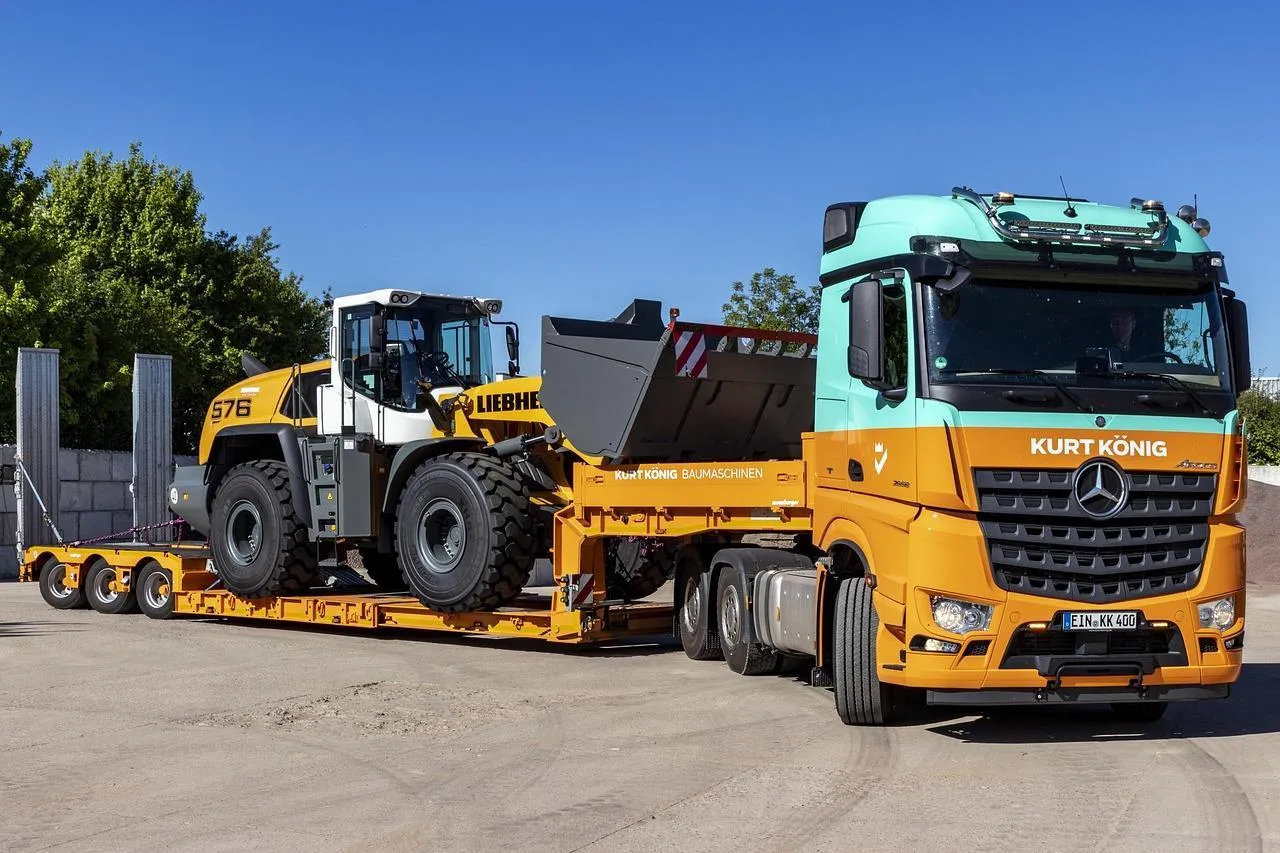
Moving a yacht, an oversized machine or another exceptional load across countries may look like a straightforward transport assignment from a distance. In practice, it is a carefully coordinated operation in which planning, equipment, route knowledge and experience all have to come together. Companies such as van de wetering operate in a field where the shape and dimensions of a load can be just as important as its weight, and where even a low bridge, narrow road or tight corner can influence the entire journey.
Every exceptional load creates a different challenge
Standard freight is designed around standard dimensions. Specialist transport begins precisely where those assumptions stop working. A sailing yacht has a completely different shape from a large cable reel, while a houseboat presents other challenges than an industrial machine. The vehicle therefore cannot simply be selected by weight capacity alone.
Height, width, length, balance and points of support all matter. The way an object rests on a trailer can determine whether it can pass beneath infrastructure safely. In some cases, only a small reduction in transport height can make the difference between using an efficient route and having to make a substantial detour.
This is why custom transport equipment plays such an important role. Low-loading trailers, adjustable supports and purpose-built components make it possible to position unusual loads more effectively. They also help protect vulnerable structures during loading, transit and unloading.
Route planning is part of the transport itself
For ordinary road transport, navigation software may be enough to choose a practical route. Exceptional transport requires a much deeper level of preparation. A route must be assessed not only for distance, but also for physical restrictions and legal requirements.
Bridge heights, road widths, roundabouts, tunnels, roadworks and roadside objects can all become relevant. The safest route is therefore not always the shortest route. Local regulations may also determine where and when a large transport is allowed to travel.
Detailed route knowledge becomes increasingly valuable when a transport crosses several countries. Infrastructure standards, permit procedures and traffic rules can vary significantly. A transport company that regularly operates internationally builds practical knowledge that cannot be replaced by a map alone.
In more complex situations, a route survey can be carried out before the actual journey. This allows potential obstacles to be identified in advance. It also creates time to arrange an alternative route, temporary adjustments or additional support where necessary.
Loading and securing demand precision
The journey begins long before the truck starts moving. Loading an exceptional object can be one of the most delicate stages of the operation. Boats and yachts, for example, have curved hulls and surfaces that must be supported correctly. Industrial components may have sensitive connection points, uneven weight distribution or protruding parts.
The transport team must understand where pressure can safely be applied and how movement can be prevented without damaging the load. Protective materials, tailored supports and careful positioning are therefore essential.
The same applies at the destination. Unloading may require cranes, lifting equipment or access to a marina or industrial site. Good preparation connects these individual steps into one continuous process. When transport, lifting and route planning are coordinated from the beginning, the risk of delays and last-minute changes can be reduced.
Experience matters when conditions change
No transport plan exists in a vacuum. Traffic, weather, roadworks or unexpected restrictions can affect even a carefully prepared journey. In specialist transport, the ability to respond calmly to changing circumstances is part of professional execution.
Experienced drivers and support vehicle teams understand how a large or unusually shaped load behaves on the road. They know that braking distances, turning movements and road positioning may differ considerably from standard freight. They also need to communicate clearly with each other, particularly when navigating narrow passages or busy traffic situations.
This combination of practical experience and technical preparation is difficult to separate. Equipment may create possibilities, but skilled people determine how those possibilities are used safely.
Why specialist transport is a chain of decisions
Exceptional transport is often described in terms of impressive vehicles or unusually large cargo. Yet the most important work is less visible. It happens during planning, measuring, checking, coordinating and anticipating.
A successful operation depends on many connected decisions: selecting suitable equipment, calculating dimensions, checking routes, arranging permits, coordinating and preparing loading and unloading. If one element is overlooked, the consequences may appear much later in the journey.
That is why specialist transport is best understood as a complete logistical process rather than a simple road movement. The truck is only one part of a much larger system involving technical knowledge, regulatory awareness, infrastructure information and communication between different parties.
International transport adds another layer of complexity
Cross-border transport introduces additional variables. Different countries may apply different rules for exceptional dimensions, support requirements and travel periods. Documentation has to match the route, while local conditions can influence the timing of the operation.
For companies working throughout Europe and beyond, accumulated route knowledge becomes a practical asset. Repeated journeys create a clearer picture of useful corridors, recurring bottlenecks and locations where extra preparation is needed. Over time, this information can help make future transport planning more efficient and predictable.
The result is a discipline in which preparation is inseparable from execution. Whether the cargo is a yacht, a houseboat, a mast, a machine or another oversized object, the quality of the transport depends on how well every stage has been considered before the wheels begin to turn.